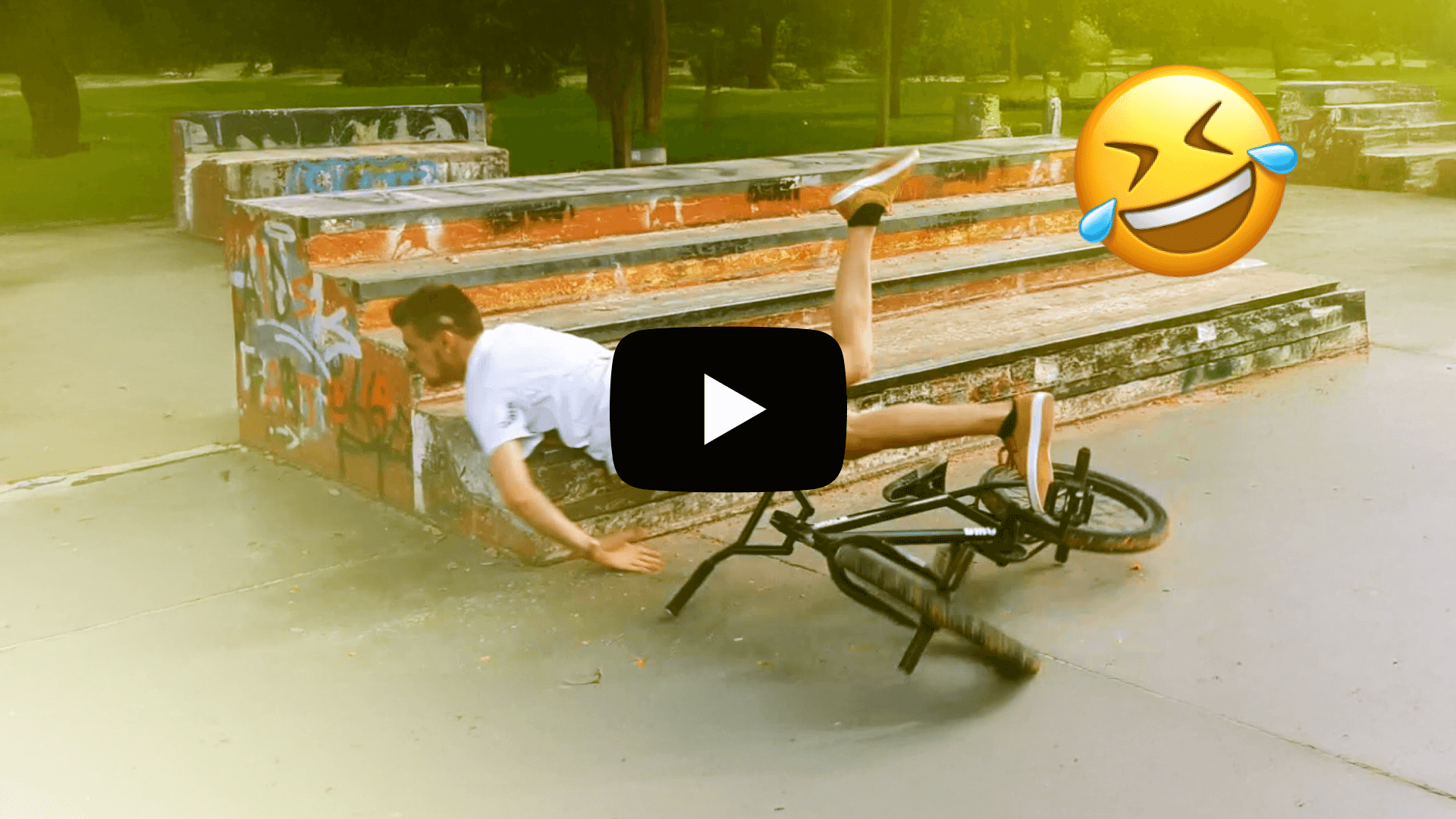

I’ve lost count of how many “CX transformations” I’ve seen green‑lit with fanfare and dashboards. The pitch is always pristine: better journeys, happier customers, higher LTV. Yet the lived reality for Australians is still maddeningly familiar – missed deliveries, opaque refunds, chatbot dead‑ends, and long silences when things go wrong. That gap between intention and outcome is what I call waste in CX: money, effort, and customer patience burned without moving the loyalty needle.
The hard numbers
Let’s ground this in what’s actually been measured because the bill for poor CX isn’t abstract. In early 2024, Qualtrics’ XM Institute estimated Australian businesses are risking ~A$74 billion a year due to poor customer service. They didn’t pluck that from the ether; they surveyed 1,200 Australian consumers and mapped behaviour (how spending changes after a bad interaction) to World Bank household consumption data. The sting is in the behaviour: 55% of bad experiences lead Australians to cut or stop spending with the brand, up sharply on the prior year. And while we’re clocking fewer “very poor” interactions (≈11%) than we did in 2022, the penalty for each misstep has risen because tolerance has collapsed. In other words, fewer mistakes, but harsher consequences.
The risk intensifies at peak trading. In late 2024, Qualtrics warned of A$3.8 billion in sales at risk over a single holiday period, with Australians again pointing to communication and service delivery failures as the top triggers. That lines up with a broader global pattern: Forrester reports CX quality sliding across key industries, linking declines to weaker loyalty and slower growth; Qualtrics pegs US$3.7–3.8 trillion in sales at risk worldwide. Australia isn’t immune. We’re simply seeing the damage in local currency.
Waste taxonomy: three flavours of the same problem
If you stand back and look at the Australian incidents and the data, poor CX tends to cluster in three distinct areas. Think of these as lenses rather than labels, ways to spot where effort turns into waste.
First, communication failure. When customers can’t get clear, timely, consistent information, they assume the worst and act accordingly. The Optus nationwide outage in November 2023 remains a stark example: services down for ~13 hours, confused and delayed messaging, and subsequent regulatory findings of thousands of contraventions relating to emergency call obligations. The government’s response to the Bean Review spells out the consequence: damaged public confidence and massive societal disruption. In customer terms, this is the moment trust snaps.
Second, service delivery failure. Promises aren’t kept: flights, parcels, refunds, appointments. The ACCC’s case against Qantas alleged the airline continued selling tickets on 8,000+ cancelled flights and delayed notifying ticket‑holders, leaving customers with less time to replan (and potentially paying more). Jetstar then faced its own storm: a class action in Australia over refunds and regulatory action in New Zealand for misleading compensation communications. Across e‑commerce and delivery, Australia Post became a lightning rod. Facebook complaints communities surged past 23–24k members with stories of “card left” while people were home, reinforcing the perception of an unreliable last mile. These aren’t edge cases. They’re patterns.
Third, automation without empathy. Australians increasingly expect help outside 9–5, but 36% of issues raised after hours go unresolved and 74% say chatbots understand their query less than half the time. Supermarkets’ front‑of‑store changes like more self‑service and Scan&Go tweaks triggered lively debate about complexity and surveillance versus speed and convenience, especially for older shoppers or bigger shops. When automation deflects rather than resolves, frustration compounds fast.
The three major impacts of poor CX
The waste shows up in different ways, but it lands in three big buckets. Again, use these as lenses for the boardroom conversation: financial, reputation, and productivity/morale.
On financial impact, the numbers are brutal. Australians stop or reduce spending in ~55% of bad experiences; the annual risk sits around A$74 billion, and peak season alone can vaporise A$3.8 billion. This is the direct translation of “customer experience” into lost revenue and churn.
On reputation and trust, crises like Optus’s outage or the Qantas/Jetstar refund sagas don’t just trend for a week; they etch into brand memory. As Forrester puts it, the gap between intended and experienced CX is widening, and loyalty erodes with it. A PR expert summarised Optus’s position after consecutive failures as “a fragile, high‑risk state,” with multi‑million‑dollar consequences from churn, fines, and lawsuits. That’s not a hot take; it’s a forecast built on recent history.
On productivity and morale, frontline teams absorb the fallout. Qualtrics notes the paradox: the people closest to customers report lower engagement, and yet they’re asked to carry the emotional weight of poor systems and policies. Out‑of‑hours support gaps, bot misfires, and policy handcuffs create multi‑touch loops that waste time for customers and staff alike. The result is slower resolution, higher attrition, and more churn—the definition of compounding waste.
What customers and experts are actually saying
You don’t need sentiment models to hear it. One Australia Post customer described watching a driver photograph the letterbox and drive off, only to receive a “nobody home” message moments later. That isn’t just a bad interaction; it’s evidence that the brand’s process contradicts its promise.
The ACCC’s language on Qantas was equally plain: by continuing to sell tickets on cancelled flights and delaying notifications, customers had less time to make alternative arrangements and may have paid higher prices. Translate that into CX terms and you get: communication and delivery failures convert directly into customer cost and anger.
Why “good CX” becomes waste
Most executives don’t set out to deliver bad experiences. But we underinvest where it matters (operational reliability, frontline authority), and overinvest where it dazzles (journey orchestration, gimmicks). We measure what’s easy (surveys, click paths), not what moves revenue (behaviour after service interactions). Meanwhile, Australians are less likely to give feedback directly; they vote with their wallets in silence. So, we declare victory on dashboards while leakage continues in the background.
Three moves to turn CX from waste into growth
1) Make communication and delivery the priority, not the afterthought.
Create a single source of truth for status updates across call, chat, email, SMS, and in‑store. Measure clarity and timeliness of communication alongside delivery reliability. Close the loop on missed promises with proactive outreach and practical make‑goods. This addresses the two top pain points Australians report: communication failures and service delivery issues. It’s not sexy—but it’s where the A$74 billion leakage lives.
2) Give frontline teams permission to fix things, fast.
Codify authority for first‑contact resolution within clear risk thresholds. Remove approval layers for small compensation or policy exceptions. Instrument post‑interaction spend as a success metric. Australians don’t need perfect service; they need competent recovery. When frontline staff can resolve quickly, silent churn collapses.
3) Design for failure and blend automation with human empathy.
Map your top failure scenarios (cancellations, delays, missing parcels, billing errors). Prebuild apology + status + next‑best‑action flows. Use AI for triage and signal detection, then hand off to humans on complexity—especially after hours, where unresolved rates are highest. If your bot can’t understand context, it’s a liability, not a channel.
A final thought
Australia doesn’t have a CX theory problem. We have an execution problem, and the cost shows up in cash, reputation, and time. The brands winning today aren’t magical; they do the basics relentlessly well, they communicate early and clearly, and they let their people fix things. The rest keep paying the tax for waste in CX, one silent churn at a time.